
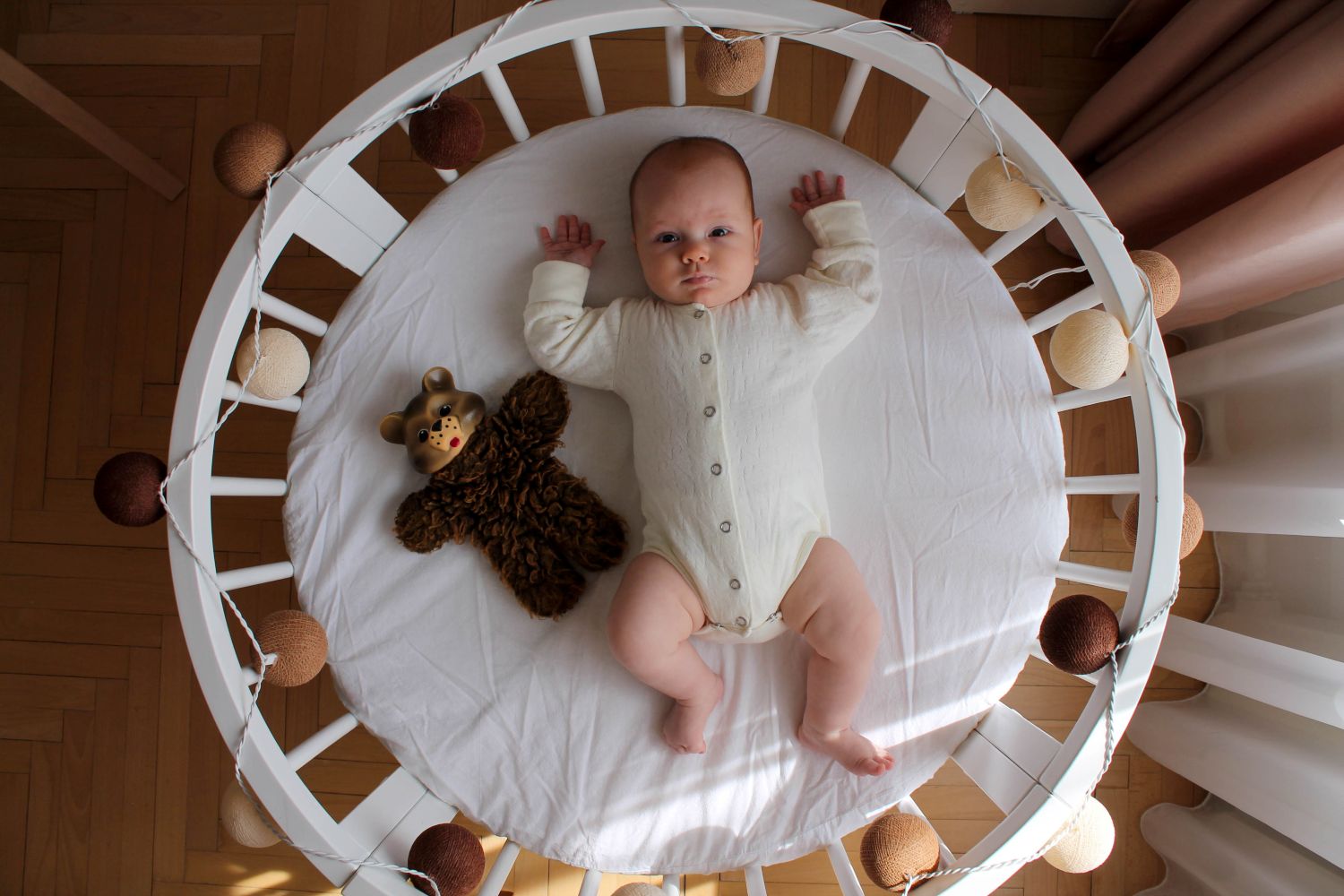
Selecting the perfect bed for your baby is more than just a choice of style; it’s a pivotal decision that impacts your child’s safety and well-being. With various options available-from cribs to playards-understanding the nuances of each is essential. This guide will illuminate crucial safety standards, the importance of mattress selection, and common hazards to avoid, give the power toing you to create a secure sleep environment for your little one. Your journey to informed parenting begins here.
Understanding Different Types of Baby Beds
Parents have a variety of options when selecting a baby bed, with each type presenting distinct advantages and considerations regarding infant safety.
Cribs
Cribs, which serve as the primary sleeping space for infants, must comply with stringent safety standards and be equipped with appropriate safety features.
It is essential to select cribs that meet the regulations set forth by the Consumer Product Safety Commission (CPSC), which specify that slat spacing should not exceed 2 3/8 inches to prevent entrapment. The ideal dimensions for a standard mattress fit are 28 inches in width by 52.5 inches in length. Additionally, design features such as stable sides and non-toxic finishes are critical for ensuring safety.
It is advisable to consider cribs that offer adjustable mattress heights, as this allows for convenient access as the infant grows. Furthermore, safety certifications from organizations such as the Juvenile Products Manufacturers Association (JPMA) can provide added assurance that the crib has undergone rigorous testing for both durability and safety.
Bassinets
Bassinets offer a comfortable sleeping environment for newborns and are often designed to be portable, making them ideal for close monitoring during the initial months of an infant’s life.
Typically, bassinets have weight limits ranging from 20 to 30 pounds, ensuring their safety for infants. The portability of these sleeping arrangements allows parents to move them conveniently from room to room, facilitating nighttime feedings without causing disturbance to the baby.
Many bassinets are equipped with essential safety features, including a sturdy base for enhanced stability and breathable materials to promote airflow.
When selecting a bassinet, it is advisable to consider models that offer adjustable heights and storage pockets for diapers and other supplies, thereby enhancing functionality while maintaining a cozy design.
Playards
Playards serve multiple functions, offering a secure space for both sleep and play, and are particularly beneficial for families requiring versatility.
When selecting a playard, it is essential to seek JPMA certification to confirm that safety standards have been met. Additionally, the ease of setup is a critical consideration; many models can be assembled in under five minutes.
It is important to ensure that the playard is equipped with secure locking mechanisms and proper ventilation to mitigate potential hazards. Regular inspections for wear and tear should be conducted, and the playard must be placed on a flat surface to enhance stability.
By adhering to these guidelines, one can optimize both safety and functionality, thereby making the playard a reliable addition to the home.
Safety Standards and Certifications
Comprehending safety standards and certifications is crucial for parents to ensure that the baby bed they select adheres to stringent safety requirements.
Consumer Product Safety Commission (CPSC) Guidelines
The guidelines established by the Consumer Product Safety Commission (CPSC) outline comprehensive requirements for crib safety, including specifications for slat spacing and mattress height adjustments.
In particular, slat spacing must not exceed 2 3/8 inches to prevent the possibility of a child’s head becoming lodged. Additionally, cribs should be equipped with a firm mattress that fits snugly, ensuring that there are no gaps greater than two fingers between the mattress and the sides of the crib.
It is recommended that parents utilize non-toxic materials that are free from hazardous substances. To ensure compliance with these regulations, it is essential to verify the crib’s certification label and to conduct periodic inspections for any signs of wear or damage, as such issues may compromise the safety of the crib.
American Academy of Pediatrics (AAP) Recommendations
The American Academy of Pediatrics (AAP) underscores the importance of safe sleep practices as a means to significantly reduce the risk of Sudden Infant Death Syndrome (SIDS) in infants. To establish a safe sleep environment, caregivers are encouraged to adhere to several critical practices.
- Infants should always be placed on their backs to sleep, as this position has been demonstrated to reduce SIDS rates by up to 50%.
- It is essential to utilize a firm mattress with a fitted sheet, while avoiding soft bedding, pillows, and toys in the crib to minimize the risk of suffocation.
- Additionally, it is imperative to maintain a smoke-free environment during and after pregnancy, as exposure to smoke has been linked to an increased risk of SIDS.
By adhering to these guidelines, families can enhance infant safety and promote overall health.
Choosing the Right Mattress
Choosing an appropriate mattress is essential for ensuring both the safety and comfort of your baby. Health professionals strongly recommend firm mattresses for this purpose.
Material Considerations
Selecting a mattress composed of non-toxic and breathable materials is essential for the health and comfort of your baby. When evaluating options, it is advisable to consider features such as organic cotton covers that are soft and free from harmful chemicals, breathable foam that promotes improved airflow, and non-toxic fire retardants that enhance safety.
Brands such as Naturepedic provide mattresses featuring GOTS-certified organic cotton and consciously avoid the use of harmful chemicals, thereby ensuring a safe sleep environment. Additionally, it is prudent to consider a mattress that includes a removable and washable cover for ease of maintenance.
Thorough research and comparison of these attributes will aid in selecting a mattress that meets your health and comfort standards.
Firmness and Fit
A firm mattress that fits securely within the crib is essential for preventing suffocation hazards and ensuring a safe sleeping environment.
To identify the appropriate fit, it is important to verify that there is a snug edge around the mattress, ensuring that the gap between the mattress and the sides of the crib does not exceed two fingers.
Regarding firmness, it is advisable to select a mattress with a rating of 6-7 on a scale of 10. This level of firmness strikes a balance between providing adequate support and maintaining comfort for the infant. To assess firmness, one can press down on the surface; it should promptly return to its original shape.
Recommended options include the Newton Baby Crib Mattress and the Babyletto Purecore, both of which feature compliant safety characteristics and optimal firmness.
Common Hazards to Avoid
Identifying and avoiding common hazards in baby beds can substantially reduce the risk of sleep-related accidents.
Loose Bedding and Soft Objects
Loose bedding and soft objects in the crib present significant risks, contributing to Sudden Infant Death Syndrome (SIDS) and accidental suffocation. The American Academy of Pediatrics (AAP) strongly recommends the use of a fitted sheet exclusively, as this minimizes potential hazards. Research indicates that adhering to this guideline can reduce the risk of SIDS by as much as 50%.
Furthermore, it is essential to ensure that the crib remains devoid of pillows, blankets, and stuffed toys to establish a safe sleep environment. Regular checks should be conducted to confirm that the mattress fits snugly against the crib walls without any gaps.
Educating caregivers on these practices is of utmost importance, as a proper sleep environment plays a critical role in ensuring infant safety.
Unsafe Sleep Positions
Unsafe sleep positions, particularly sleeping on the stomach, can significantly increase the risk of Sudden Infant Death Syndrome (SIDS) in infants. To promote safe sleep for infants, the American Academy of Pediatrics (AAP) strongly recommends that caregivers place infants on their backs for all sleep occasions, whether during naps or at nighttime.
It is advisable to utilize a sleep sack instead of loose blankets, as this approach can help keep the infant warm and secure while minimizing the risk of suffocation. A case study involving the Thompson family illustrates this point effectively; after transitioning their baby from a crib with blankets to a sleep sack while strictly adhering to the practice of back sleeping, they reported feeling reassured and observed a notable improvement in their baby’s sleep quality.
Maintenance and Care Tips
Regular maintenance and care of baby beds are imperative to ensure both safety and longevity, thereby reducing the risk of hazards associated with wear and tear.
Regular Inspections
Regular inspections of the baby bed are essential for identifying potential safety concerns before they escalate into serious issues. To ensure the safety of your infant, it is advisable to follow a structured checklist during each inspection.
- First, verify the integrity of the crib structure by checking for any cracks or broken components.
- Next, inspect all screws and connections, tightening any loose ones to prevent instability.
- Finally, ensure that the mattress fits snugly within the crib, with no gaps that could pose a risk of entrapment.
It is recommended to conduct these inspections every two to three months. However, more frequent checks may be necessary if the child is particularly active or if any modifications have been made to the crib.
Cleaning Guidelines
Proper cleaning of the baby’s crib and its accessories is essential for maintaining a healthy sleep environment for the infant. To ensure cleanliness, it is advisable to use non-toxic cleaners, such as a solution of vinegar and water.
All bedding, including sheets and blankets, should be washed at least once a week in hot water to effectively eliminate germs.
Regular vacuuming around the crib area is important to remove dust and allergens; it is recommended to utilize a vacuum equipped with a HEPA filter for optimal results.
Special attention should be given to the bumper pads and toys within the crib, ensuring they are washed according to the manufacturer’s instructions to mitigate the risk of harmful bacteria.